Quantum Pings Library
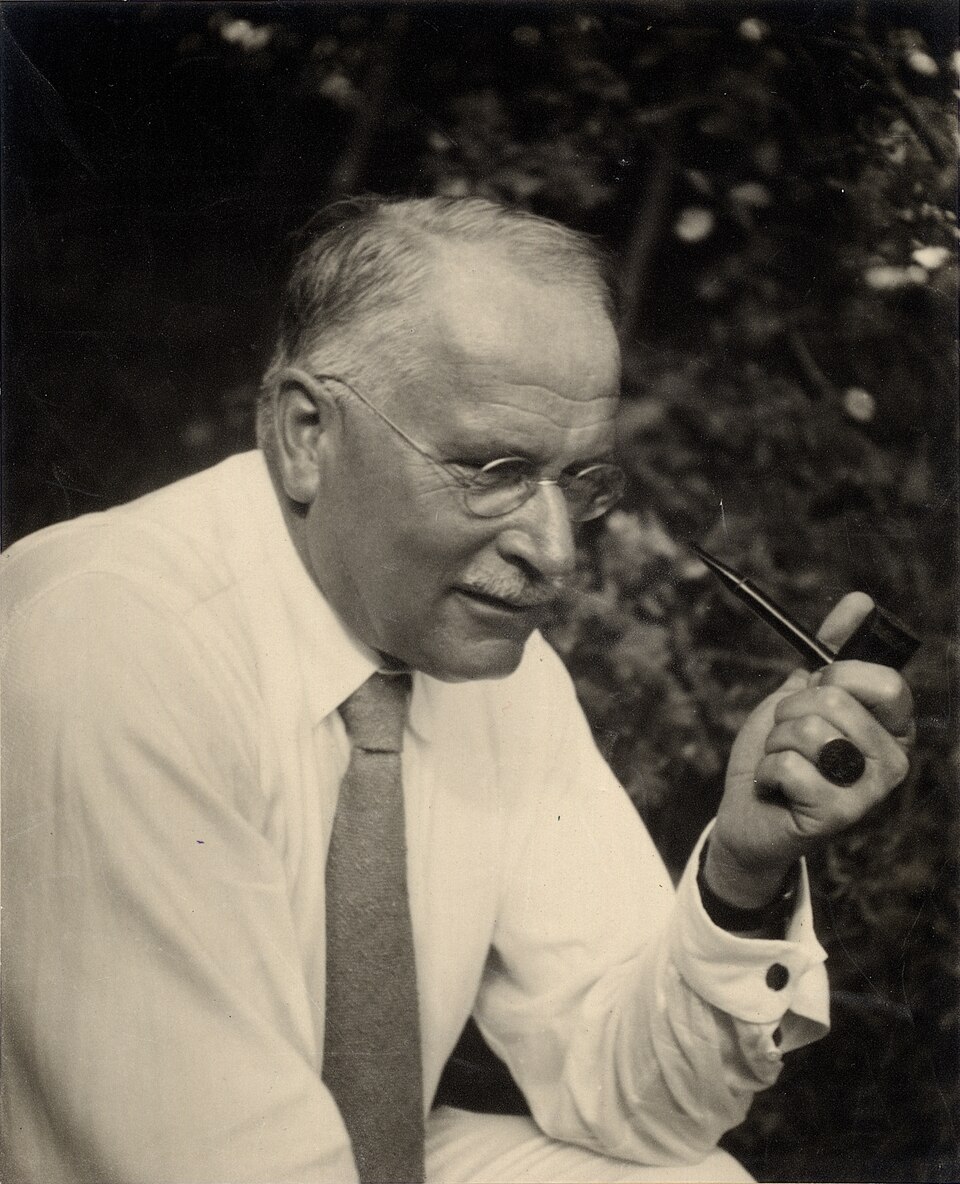
Carl Gustav Jung
- Type
- Person
- By
- Psychiatrist (1875–1961)
- Affiliation
- Founder, analytical psychology
- Source
- Wikipedia ↗
- Published
- 1875
The psychiatrist who named synchronicity in 1952 and spent his last decades exploring the boundary between psyche and matter.
Carl Gustav Jung (1875–1961) founded analytical psychology and gave the world several ideas that outgrew their author: archetypes, the collective unconscious, and — most relevant here — synchronicity. Trained in the scientific psychiatry of his day, he spent his later decades insisting that the inner life and the outer world are not fully separate.
For this shelf, Jung is the origin point. His 1952 essay named the concept, his scarab story became its most quoted example, and his collaboration with Wolfgang Pauli gave it a physicist's imprimatur. He was a thinker and a clinician rather than a controlled experimenter, and both his admirers and his critics tend to start from that fact.
In all chaos there is a cosmos, in all disorder a secret order.
The meaning
Jung's whole project points here: if the psyche and the world share a deeper order, then meaningful coincidence is exactly what you would expect to find.
The skeptic
Jung was a thinker, not a controlled experimenter. His claims about the world beyond the psyche were hypotheses he never demonstrated.
About this person
Swiss psychiatrist who founded analytical psychology and coined synchronicity, archetypes, and the collective unconscious.
Key takeaways
- Named synchronicity in 1952 after decades of collecting meaningful coincidences with patients.
- His golden-scarab case is the most quoted example in the whole literature.
- Collaborated with Wolfgang Pauli to connect psyche and matter.