Quantum Pings Library
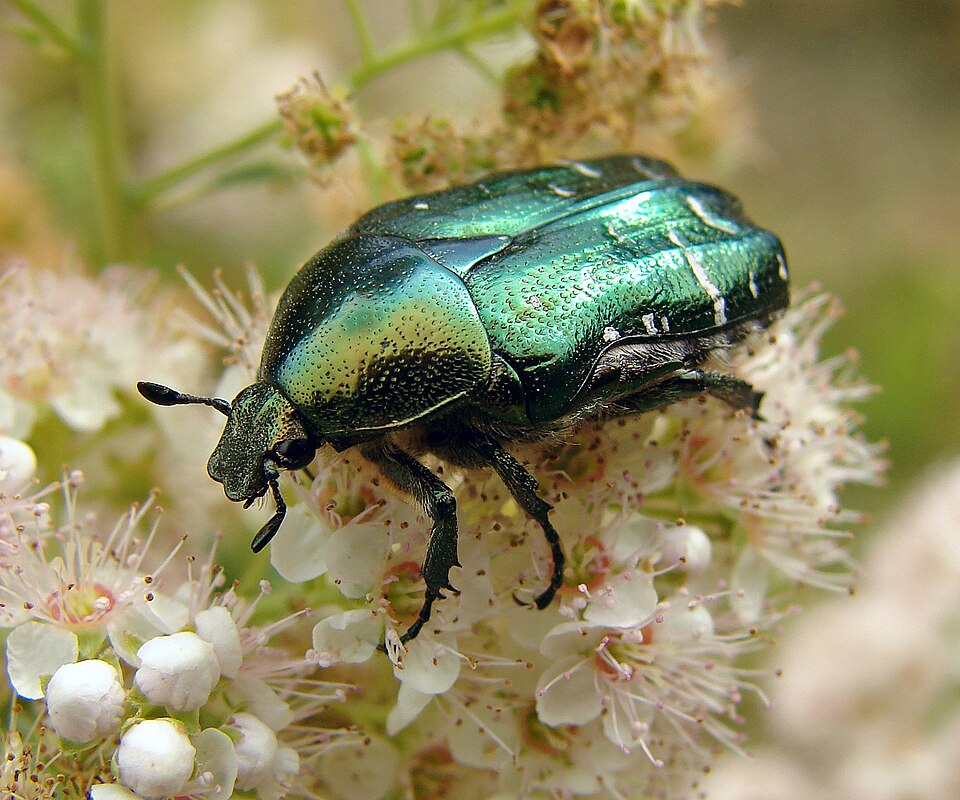
The golden scarab at the window
- Type
- Story
- By
- C. G. Jung (retelling)
- Source
- Jung, Synchronicity (1952)
- Published
- 1952
Jung's patient was describing a dream of a golden scarab when a real beetle — a rose chafer, the closest thing to a scarab in Europe — tapped at the window. Jung handed it to her, and the moment broke her resistance.
The most quoted synchronicity story in the literature comes from Jung himself. A patient, describing a dream of a golden scarab, was interrupted by a tapping at the window: a rose chafer beetle — the closest Europe has to a scarab — had flown against the glass. Jung caught it, handed it to her, and the moment broke her resistance.
It is the canonical case because it is so clean: an inner image and an outer event arriving together, with no causal link, exactly when meaning was needed. The skeptic's reply is just as clean — beetles are common in summer, windows are transparent, and one memorable anecdote is not data. The story has carried both readings for seventy years.
The meaning
This is the canonical case: an inner image and an outer event arriving together, with no causal link, exactly when meaning was needed.
The skeptic
Beetles are common in summer, windows are transparent, and Jung himself was primed to notice. One memorable anecdote is not data.
About the source
The most famous synchronicity story in the literature, told by Jung about a patient in the early 1950s.
Key takeaways
- The most quoted synchronicity anecdote in the literature.
- An inner image (a scarab dream) coincided with an outer event (a beetle at the window).
- Jung used it as his case study for the 1952 essay.