Quantum Pings Library
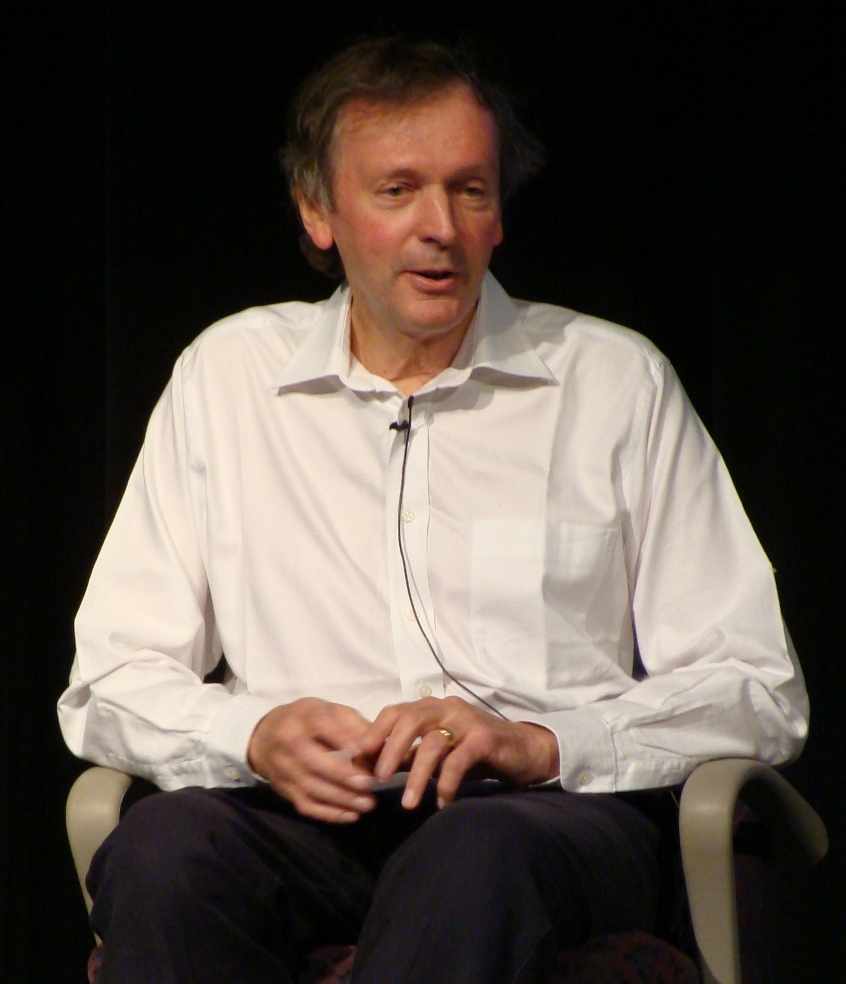
Rupert Sheldrake
- Type
- Person
- By
- Biologist
- Affiliation
- Author and researcher
- Source
- Wikipedia ↗
A biologist whose ideas about morphic fields and an extended mind give synchronicity a speculative scientific frame.
Rupert Sheldrake is a biologist known for the hypothesis of morphic resonance — the idea that self-organizing systems are shaped by fields that extend across space and time. He connects that idea to coincidence and to a broader picture of the mind as extended beyond the brain.
Sheldrake offers the believer's case something rare: a proposed mechanism. If morphic fields are real, synchronicity would be expected rather than anomalous. The difficulty is that the hypothesis is widely rejected as untestable, and attaching synchronicity to it does the idea no favors in the eyes of the mainstream. He remains the most articulate voice of the speculative edge.
The meaning
Sheldrake offers a mechanism — fields that connect minds and matter — that would make synchronicity expected rather than anomalous.
The skeptic
Morphic resonance is widely rejected as untestable and unsupported; attaching synchronicity to it does the idea no favors.
About this person
Biologist known for the controversial hypothesis of morphic resonance, which he connects to coincidence and the extended mind.
Key takeaways
- Proposes morphic resonance as a possible mechanism behind coincidence.
- Connects synchronicity to a broader "extended mind" framework.
- A controversial figure whose hypotheses remain outside the mainstream.