Quantum Pings Library
The measurement problem
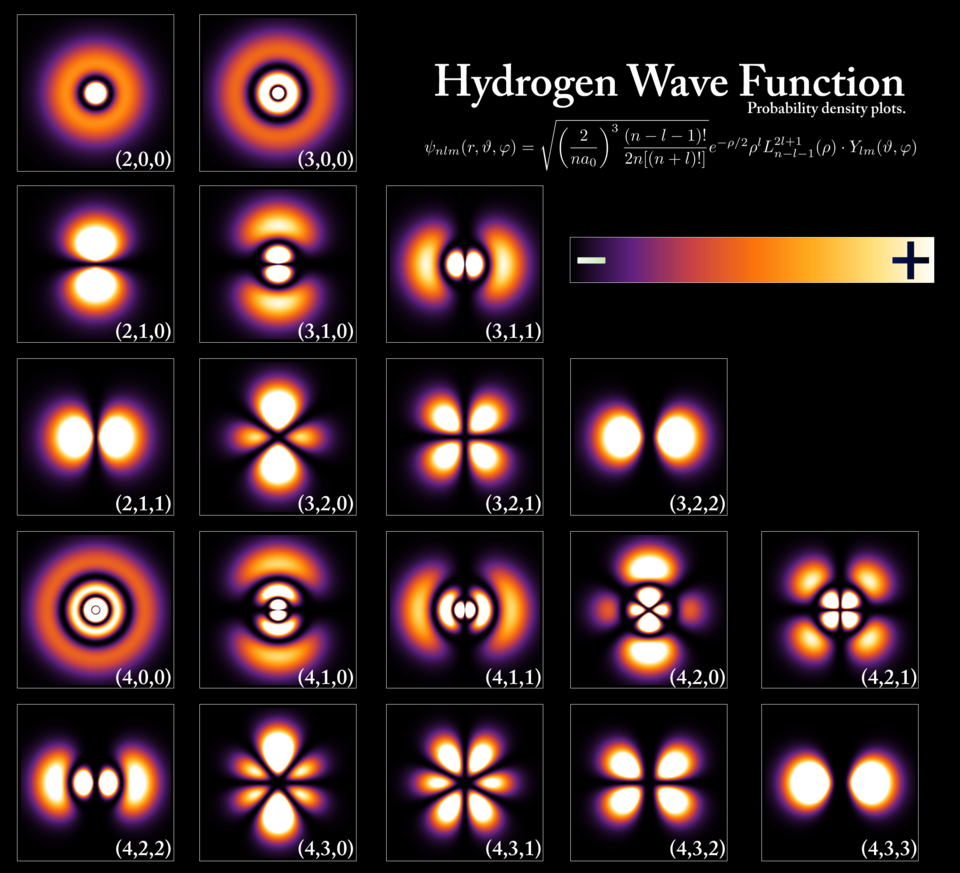
- Type
- Concept
- Publisher
- Physics
- Source
- Wikipedia ↗
Quantum theory describes particles as spread-out clouds of possibility until something measures them, at which point one outcome becomes actual. Why that happens, and what counts as a measurement, is the measurement problem. It is the deep water this app wades into every time it reads a quantum number.
Quantum theory describes a particle as a spread-out cloud of possibilities, and then says that measuring it yields one definite outcome. What happens in between, and what counts as a measurement, is the measurement problem. It has been open for a century, and it is the deepest water in the foundations of physics.
This app brushes against the problem every time it reads a quantum number. Each reading is a tiny measurement: a cloud of possibilities resolving into one byte. Believers find room in the problem's stubbornness for the idea that observation plays a real part; the mainstream answer, decoherence, dissolves the mystery by entangling the system with its environment, with no mind required. Either way, the problem is the reason the observer keeps coming up in this library.
The meaning
The problem has resisted solution for a century, which leaves honest room for the idea that observation, and perhaps consciousness, plays a real part in collapsing possibility into fact.
The skeptic
Most working physicists treat the problem as settled by decoherence: measurement entangles a system with its environment, and the apparent collapse is a feature of looking at one branch of a larger whole. No mind required.
About the source
The long-running question of why quantum possibilities collapse into one definite outcome, and what, if anything, observation has to do with it.
Key takeaways
- Quantum possibilities become one outcome only at measurement.
- What counts as a measurement, and why, remains unsettled.
- Every quantum reading this app takes is a tiny instance of the problem.