Topics › Anxiety and the search for meaning
Quantum Pings Topics
Anxiety and the search for meaning
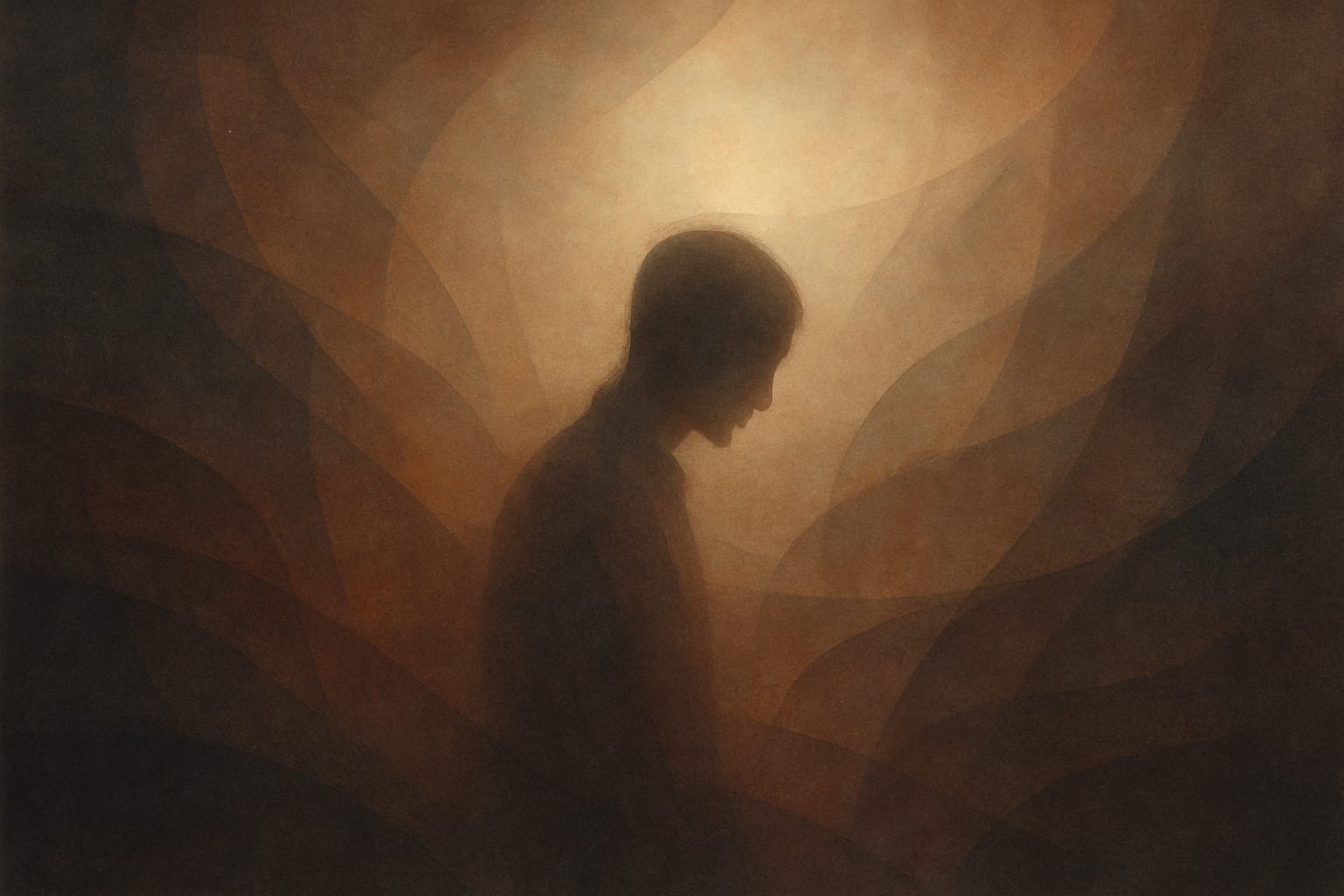
Why a restless mind hunts for patterns, and what helps.
Anxiety and the Search for Meaning Anxiety can often feel like a cloud hanging over one's life, making everything seem uncertain.
Anxiety can often feel like a cloud hanging over one's life, making everything seem uncertain. During these moments of distress, many people embark on a quest for meaning, looking for patterns or signs that can guide them. This search often leads to a confrontation between two perspectives: the meaning-seeker's view, which embraces the idea of synchronicity and meaningful coincidences, and the skeptic's view, which questions the validity of these experiences.
The Nature of Synchronicity
The term "synchronicity" was coined by psychologist Carl Jung in 1952. He defined it as a meaningful coincidence where two events occur simultaneously in a way that feels connected, even though one did not cause the other. For Jung, these moments signified a deeper connection between our inner lives and the external world. People often interpret these experiences as intuitive nudges to pay attention to something significant happening in their lives ("What is Synchronicity?").
However, skeptics argue that our brains are wired to see patterns. Given enough events, coincidences are bound to happen, and we tend to notice the connections while overlooking those that don't fit the narrative. This phenomenon is known as apophenia, and it suggests that many of these so-called meaningful coincidences may simply arise from chance rather than any deeper significance ("What is Synchronicity?").
The Role of Personality and Beliefs
Research shows that our personalities and educational backgrounds influence how we perceive coincidences. For instance, a study found that medical students were more likely to hold paranormal beliefs compared to theology students. This suggests that personal traits, such as neuroticism, could shape how we experience and interpret moments of synchronicity ("The Relationship Between Paranormal Beliefs, Personality, Creativity, and Death Anxiety").
From a meaning-seeker's perspective, this indicates that our openness to these experiences may be tied to specific personality traits. The implication is that those inclined to see meaning in coincidences may approach their lives with a greater sense of connection and purpose. Yet, skeptics might point to the study's limited sample size and argue that correlations do not imply causation, leaving the nature of our beliefs about coincidences open to question.
The Search for Meaning in Random Patterns
Our brains naturally seek patterns, even in random environments. This tendency manifests in a concept called industrial pareidolia, where people perceive meaningful shapes or patterns in industrial settings. For example, someone might see a face in the arrangement of machinery or the layout of a factory. Meaning-seekers may interpret these instances as evidence that our brains are wired to find significance in randomness. They could argue that these experiences hint at deeper meanings, suggesting that coincidences in these settings could guide us in unexpected ways ("Industrial Pareidolia").
On the other hand, skeptics view pareidolia as a cognitive bias. They emphasize that seeing patterns in randomness does not necessarily indicate inherent meaning or purpose. While our brains can recognize shapes or patterns, it doesn't mean those experiences hold significance beyond our interpretation.
Creativity and Coincidences
The relationship between creativity and meaningful coincidences offers another layer to the discussion. Research highlights the distinction between generating ideas and judging them, suggesting that our creative processes are shaped by how we perceive coincidences ("The Shared Generative Zone Apophenia and Creativity"). A meaning-seeker may find this distinction empowering, as it opens up new avenues for understanding creativity as a shared experience. They might argue that recognizing meaningful coincidences can fuel inspiration and innovation.
However, skeptics might challenge the validity of this perspective, especially if the research lacks specific data or clear methodology. Without empirical support, the connections drawn between creativity and coincidences could seem speculative.
Navigating the Anxiety of the Unknown
The existential uncertainty that accompanies anxiety often drives individuals to search for meaning in coincidences. The idea of a "simulation" in our reality adds another layer to this quest. Some argue that this notion can promote nihilism, while others advocate for a more meaningful engagement with reality, urging individuals to create their own purpose ("Functional Consciousness - Pillar 16").
For meaning-seekers, this rejection of nihilism can be empowering. It suggests that even in an uncertain world, there are opportunities to find significance in personal experiences and coincidences. Yet, skeptics may counter that without empirical evidence, claims around the Simulation Hypothesis can oversimplify complex philosophical ideas.
Making Sense of Coincidences
As anxiety may lead individuals to interpret experiences as interconnected, the distinction between meaningful coincidences and random chance becomes blurred. Meaning-seekers might see these events as validation that their experiences reveal deeper truths about their lives ("Access or Apophenia"). In contrast, skeptics would stress that interpretations influenced by personal beliefs can lead to misinterpretations of chance events.
Ultimately, the search for meaning amid anxiety is a deeply personal journey that varies widely among individuals. Some find comfort in the idea of synchronicity, while others prefer to attribute coincidences to randomness. The tension between these perspectives invites ongoing exploration and dialogue, with each viewpoint offering valuable insights into how we navigate our experiences.
In conclusion, whether one is drawn to the idea of synchronicity or views it with skepticism, the search for meaning remains a fundamental part of the human experience. Understanding this balance allows individuals to navigate their anxieties while exploring the significance of the patterns they perceive in their lives.
Sources and further reading
 The Relationship Between Paranormal Beliefs, Personality, Creativity, and Death Anxiety: An Interfaculty ComparisonStudy
 Functional Consciousness - Pillar 16: Quantum Nihilism and the Simulation MythStudy
 Memories, Dreams, ReflectionsBook
 Industrial PareidoliaStudy
 The Shared Generative Zone Apophenia and creativity split at the judge, not the generator -a dual-process account, measured in language models and framed for humansStudy
 Access or ApopheniaStudy
 Pragmadromia: Objective SynchronicityStudy
 What is synchronicity?Concept