Topics › Jung on synchronicity
Quantum Pings Topics
Jung on synchronicity

Where the word and the idea came from.
Jung on Synchronicity: Where the Idea Came From Synchronicity is a term that reflects a profound connection between events that seem unrelated yet feel meaningfully linked.
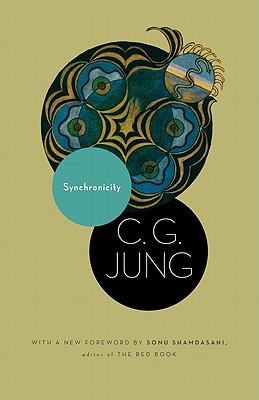
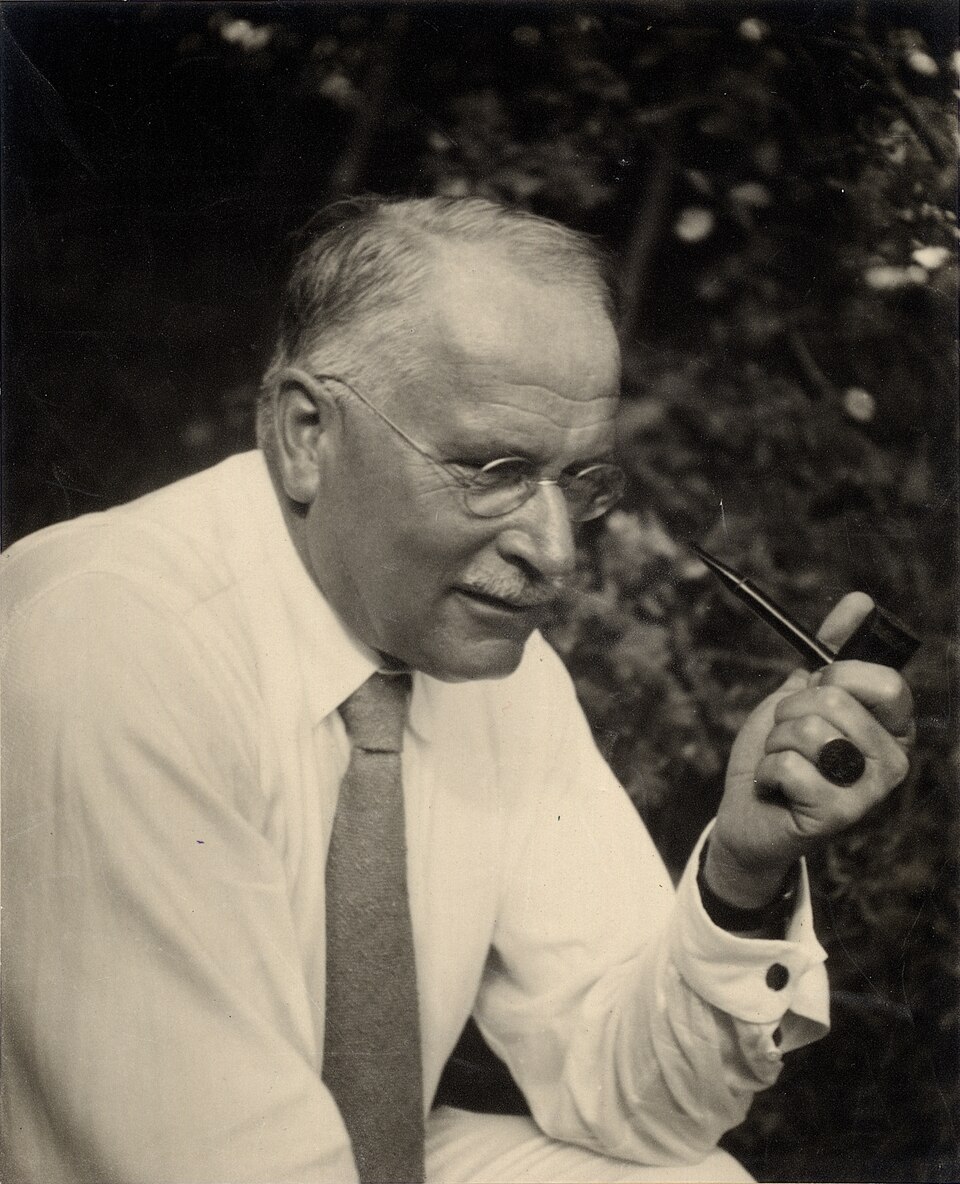
Synchronicity is a term that reflects a profound connection between events that seem unrelated yet feel meaningfully linked. Carl Jung, a Swiss psychiatrist, introduced this concept in his 1952 essay, "Synchronicity: An Acausal Connecting Principle." The notion suggests that there can be a deeper order connecting our inner experiences and outer events, even when there's no direct cause-and-effect relationship. This idea has intrigued both supporters and skeptics, creating a rich field for exploration.
The Birth of Synchronicity
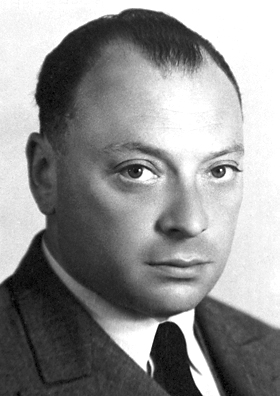
Jung’s exploration of synchronicity stemmed from his collaboration with physicist Wolfgang Pauli. Together, they pondered whether the mind and matter might not be entirely separate but instead share a more profound connection. Jung viewed synchronicity as an intersection of psyche and matter, suggesting that meaningful coincidences could reveal insights into our lives and the universe. He believed that these events could serve as guides, nudging us to pay attention to the interplay between our inner and outer worlds.
However, Jung himself acknowledged that his ideas were not proven facts. He referred to synchronicity as a hypothesis rather than a definitive conclusion (Jung 1952). Critics argue that what Jung described as meaningful coincidences might merely be the result of chance, with our brains hardwired to detect patterns. This concept, known as apophenia, suggests that given enough events, some will align purely by coincidence. In this view, synchronicity could simply be a trick of perception, where we tend to remember the hits while overlooking the misses.
The Influence of Pauli
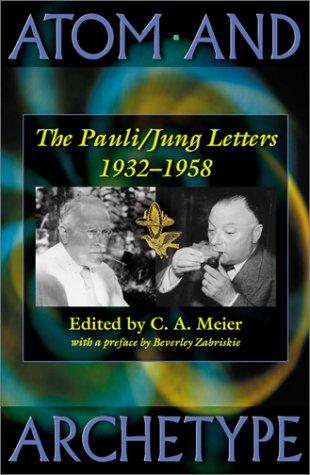
The letters exchanged between Jung and Pauli reveal the depth of their discussions about synchronicity. For over twenty-six years, they debated the relationship between psyche and matter, suggesting that both fields might be intertwined in ways not yet understood (Pauli and Jung, 2001). Pauli’s status as a Nobel Prize-winning physicist adds weight to the conversation, as it indicates that he took Jung's ideas seriously. Supporters of synchronicity often point to this collaboration as evidence that the idea carries more significance than mere speculation.
Skeptics, on the other hand, contend that letters and discussions do not constitute proof. Pauli himself never demonstrated a direct link between mind and matter, and his willingness to engage with Jung's theories is often viewed as an exception rather than a rule in the scientific community. This perspective suggests that while the dialogue was intriguing, it didn't provide the hard evidence needed to support claims of synchronicity.
Synchronicity in Everyday Life
Many people have personal experiences that they classify as synchronicities. They report moments when a seemingly random event aligns perfectly with their thoughts or feelings. For instance, someone might think of an old friend they haven't spoken to in years, only to receive a call from that person shortly after. Such experiences feel significant, leading individuals to interpret them as signs or messages from the universe.
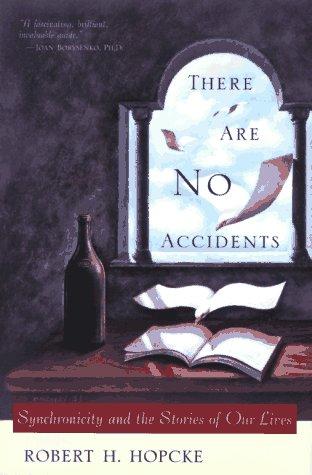
Robert H. Hopcke, in his book "There Are No Accidents," explores these ordinary instances of synchronicity. He suggests that noticing and interpreting these coincidences can be a valuable psychological skill. By paying attention to the connections we perceive, we can gain insights into our lives and potentially make better decisions. However, the stories he presents are self-reported, lacking controlled conditions that could help validate the experiences. Critics argue that without rigorous testing, it’s challenging to distinguish genuine synchronicities from coincidences shaped by personal interpretation.
A New Perspective: Pragmadromia
In more recent discussions, new frameworks like Morgan Wolfgang Lake’s "Pragmadromia" offer a fresh angle on the topic. This approach seeks to define synchronicity through objectively measurable events rather than subjective interpretations. It emphasizes the importance of quantifiable analysis in understanding meaningful coincidences. While this framework may provide a more structured understanding of synchronicity, skeptics argue that it might still overlook the complexities of how people perceive and interpret events in their lives.
Conclusion
The concept of synchronicity continues to spark debate. Jung’s original ideas, developed alongside Pauli, have left an enduring legacy. Supporters see synchronicity as a meaningful connection between mind and matter that can provide insight into personal experiences. Critics caution that these phenomena might simply stem from our tendency to recognize patterns in randomness, emphasizing the need for objective evidence.
At the heart of the discussion lies a fundamental question: are we witnessing a deeper order at play, or are we merely interpreting coincidences through a lens of meaning? While Jung's contributions laid the groundwork for understanding synchronicity, the conversation remains open, inviting continued exploration from both the meaning-seeker and the skeptic.