Topics › What is synchronicity?
Quantum Pings Topics
What is synchronicity?

The idea in plain words, with the Library to go deeper.
Synchronicity is a concept that deals with meaningful coincidences.
Synchronicity is a concept that deals with meaningful coincidences. It refers to moments when two events come together in time and feel connected, even though one event does not cause the other. The term was coined by the Swiss psychologist Carl Jung in 1952. He suggested that these coincidences might indicate a deeper connection between our inner experiences and the external world.
This idea resonates strongly with many people who seek meaning in their lives. They often perceive these coincidences as signs that they should pay attention to certain aspects of their existence. However, there's also a significant skepticism surrounding the notion of synchronicity. Critics argue that what we perceive as meaningful connections are merely the result of chance and human pattern recognition.
The Thin Line Between Meaning and Chance
Alejandro Toledo Martínez, in "Access or Apophenia," explores the boundary between meaningful coincidences and random chance. He posits that our interpretations of events are often influenced by personal beliefs and experiences. This makes it easy to confuse significant coincidences with mere happenstance. A meaning-seeker might view this idea as validation of interconnected experiences, while a skeptic might claim that without empirical evidence, such interpretations are speculative and lack scientific rigor.
Toledo’s work highlights how our brains are wired to find patterns. He points out that while coincidences can feel significant, the distinction between meaningful events and random occurrences is often blurred. Many people remember the hits, those moments that feel important, while forgetting the misses, those times when things didn’t line up.
A Framework for Understanding Synchronicity
Morgan Wolfgang Lake introduces a more structured approach to synchronicity in "Pragmadromia: Objective Synchronicity." By focusing on quantifiable, causally independent events, he aims to create an objective basis for understanding synchronicity. Meaning-seekers might see this framework as a way to validate their experiences of synchronicity, providing a more solid ground for their beliefs.
However, skeptics may argue that even this scientific approach could overlook the complexities of human perception. The subjective nature of interpreting events can’t be entirely eliminated, no matter how objective the framework tries to be. This ongoing debate centers on whether synchronicity can be understood as a scientific phenomenon or if it remains primarily in the realm of personal interpretation.
Jung's Insights and Anecdotes
Jung's original ideas on synchronicity were influenced by his collaborations with physicist Wolfgang Pauli. He believed that moments of synchronicity reflect a connection between the psyche and the outer world, suggesting that they serve as nudges to pay attention. A famous anecdote often cited as an example of synchronicity involves a patient of Jung’s who described a dream about a golden scarab. At that precise moment, a beetle that resembled a scarab appeared at the window. This coincidence seemed to break down her resistance to therapy.
While meaning-seekers view this story as a powerful example of synchronicity, skeptics point out that beetles are common, and Jung was likely primed to notice such a coincidence. This highlights the challenges in using personal anecdotes as evidence for a broader phenomenon.
Jung also shared another story about predicting a sound coming from Freud’s bookcase during a heated discussion. He claimed the prediction demonstrated a "catalytic exteriorization phenomenon." Skeptics argue that Jung’s account lacks independent verification and might be a self-fulfilling prophecy. Freud himself disputed the authenticity of the story.
The Role of Intuition and Cognition
The concept of backward cognition, discussed by Aziel Eliab in "Backward Cognition: A Working Synthesis," proposes that our minds often perceive outcomes before retracing the steps leading to them. This might explain why some people feel that coincidences have deeper meanings. Intuition can lead to insights that feel synchronized with our experiences.
Supporters of this idea might argue that such perceptions reveal interconnected truths. However, skeptics raise concerns about the lack of empirical support for backward cognition, questioning its validity as a useful psychological framework.
The Connection to Serendipity
While synchronicity deals with meaningful coincidences, another related term is serendipity, which refers to unexpected good fortune or discoveries made while searching for something else. Serendipity can also feel meaningful but does not necessarily have the same depth of connection. Meaning-seekers might interpret serendipitous events as the universe rewarding their attention, while skeptics see it as a selection bias. They argue that we only hear about the fortunate accidents that worked, not the many that didn’t.
Conclusion
Synchronicity remains a fascinating concept that connects the realms of psychology, philosophy, and personal interpretation. While many people find meaning in these coincidences, there is also significant skepticism regarding their validity. The discussions surrounding synchronicity delve into deeper questions about how we interpret our experiences and understand the world around us. Whether one views synchronicity as a sign of interconnectedness or as a product of chance largely depends on personal beliefs and perspectives.
Sources and further reading
 Access or ApopheniaStudy
 Pragmadromia: Objective SynchronicityStudy
 What is synchronicity?Concept
 SerendipityConcept
 The Tao of Psychology: Synchronicity and the SelfBook
 The golden scarab at the windowStory
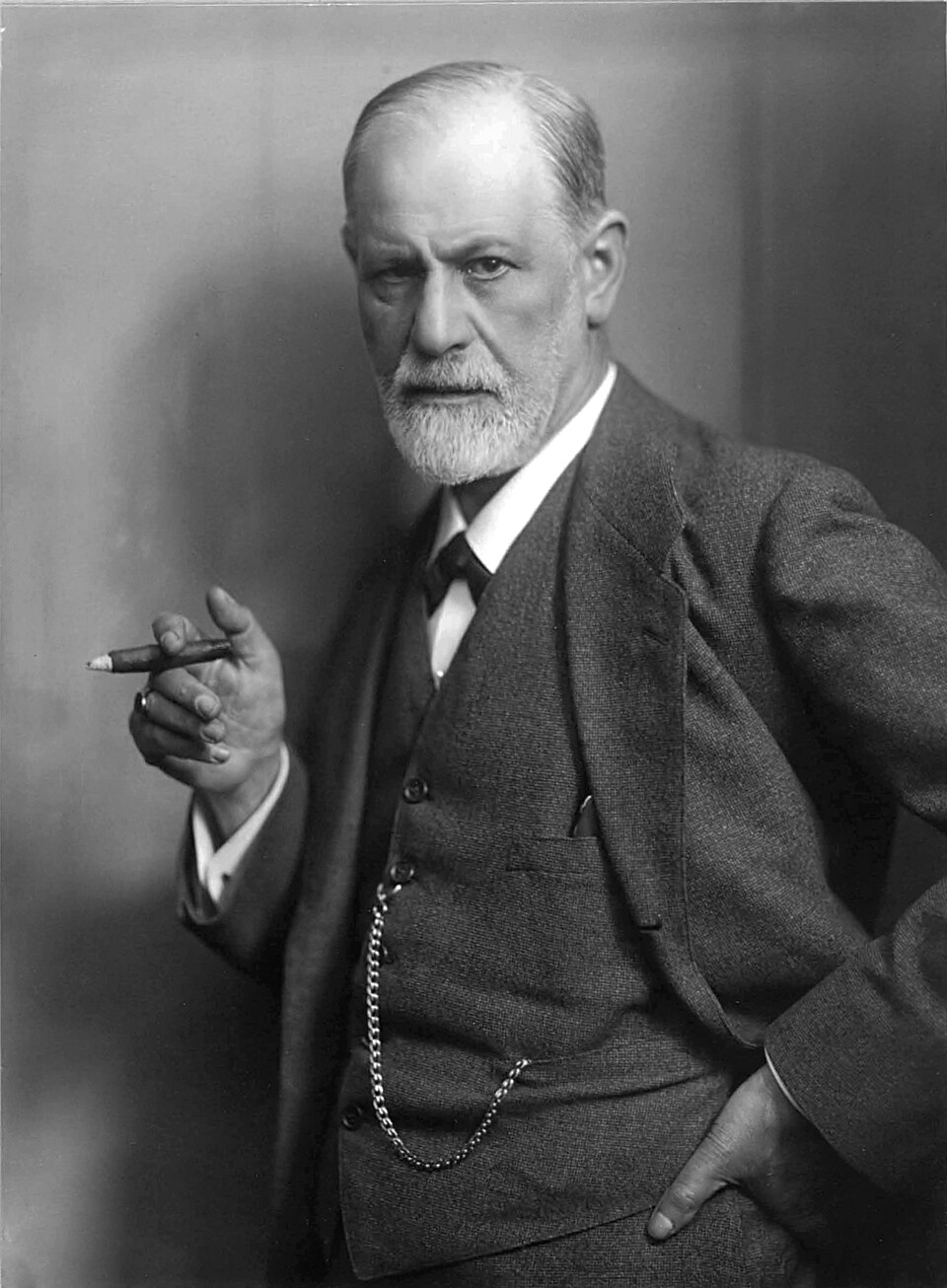 The bookcase crack that Jung predictedStory
 Backward Cognition: A Working Synthesis of Reverse-Pattern Intuition and Interlocking Constructs in Cognitive ScienceStudy