Topics › Coincidence in history
Quantum Pings Topics
Coincidence in history

Famous coincidences, and how to weigh them.
Coincidence in History Coincidence is a curious aspect of human experience.
Coincidence is a curious aspect of human experience. Often, people find themselves marveling at events that seem too aligned to be chance. From famous historical anecdotes to personal stories shared in everyday conversation, coincidences can evoke wonder. However, as compelling as these tales can be, they also invite skepticism. This essay explores notable coincidences throughout history, illustrating both the allure of these narratives and the caution that comes with them.
The Plum Pudding Coincidence
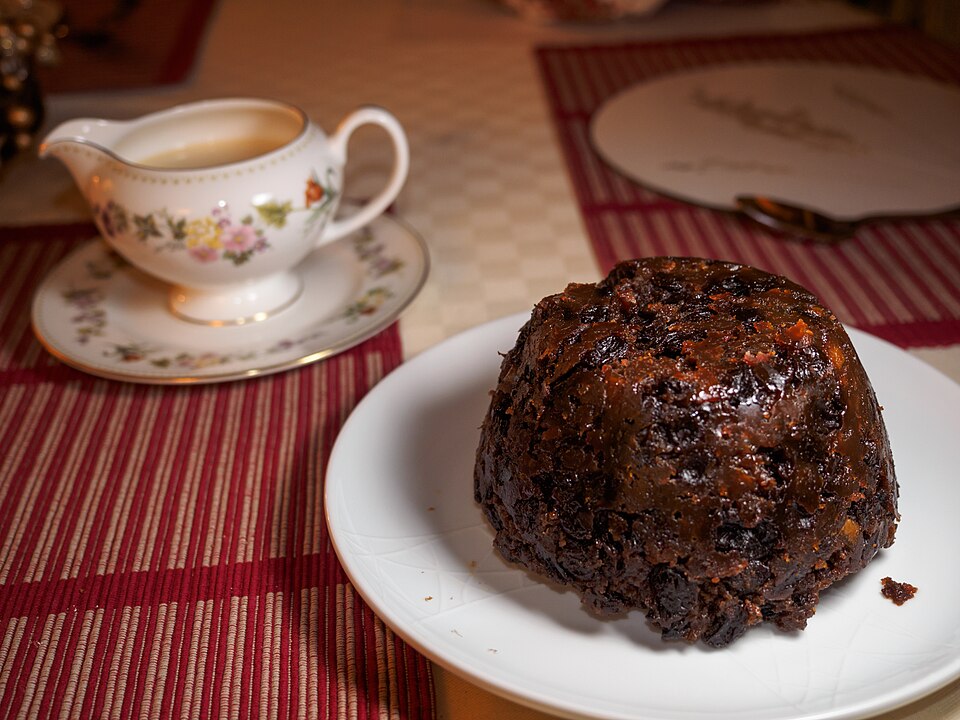
One of the classic examples of coincidence comes from the poet Émile Deschamps. He recounted an encounter with M. de Fontgibu, a stranger who served him plum pudding. Many years later, Deschamps found himself wanting that same dish at a restaurant, only to discover that the last serving had just been taken by the same M. de Fontgibu. The story doesn’t end there. Decades later, at a dinner party, de Fontgibu unexpectedly arrived just as plum pudding was being served again.
For those who see deeper meaning in coincidences, this sequence of events feels almost orchestrated. Three separate reunions tied to one dish and one person seem like a clear pattern. Yet, from a skeptic's point of view, this story presents challenges. It is a retelling that has likely been embellished over time, making its authenticity difficult to verify. The tale serves as a reminder of how anecdotal evidence can grow and change, raising questions about what we believe to be meaningful.
The Lost Copy of The Girl from Petrovka
Another intriguing coincidence involves actor Anthony Hopkins. While searching for a copy of the novel The Girl from Petrovka, which he was about to adapt into a film, Hopkins stumbled upon an abandoned copy on a train station bench. It turned out to be the author's own annotated copy, which had been reported stolen.
Hopkins' discovery strikes many as remarkable. The idea that he would find the precise book he needed in such a unique condition just as he was preparing for the role can leave a lasting impression. However, skeptics point out that the details of the story can be hard to verify, and the way it was told can often lead to embellishments. Coincidences, especially personal anecdotes like this one, can easily morph over time, making it difficult to extract factual accuracy from narrative flair.
The Three Hugh Williamses
A legendary tale recounts that three different ships sank in the same stretch of sea across centuries, with each disaster featuring a sole survivor named Hugh Williams. Proponents of the story might argue that the repetition of the name across such tragedies suggests something beyond mere coincidence.
Yet, skepticism arises when considering the commonality of the name "Hugh Williams" in Wales. Given the law of truly large numbers, it becomes more plausible that a name as prevalent as this could easily be linked to multiple events. Furthermore, the details vary significantly with each retelling, emphasizing how memory can shape and distort narratives over time.
The Pauli Effect
In the world of physics, the so-called "Pauli Effect" refers to the humorous belief that Wolfgang Pauli, a renowned physicist, somehow caused laboratory equipment to fail whenever he was present. While it’s often recounted with a sense of awe, considered by some as a curse, it primarily exists as an anecdote among scientists.
For those inclined to see meaning in this phenomenon, the consistency of the stories can feel weighty. Yet skeptics highlight that equipment failures are common in any laboratory setting, making Pauli's visits memorable simply due to his prominent reputation. This illustrates how selective memory can transform routine occurrences into extraordinary legends.
The Lincoln-Kennedy Coincidences
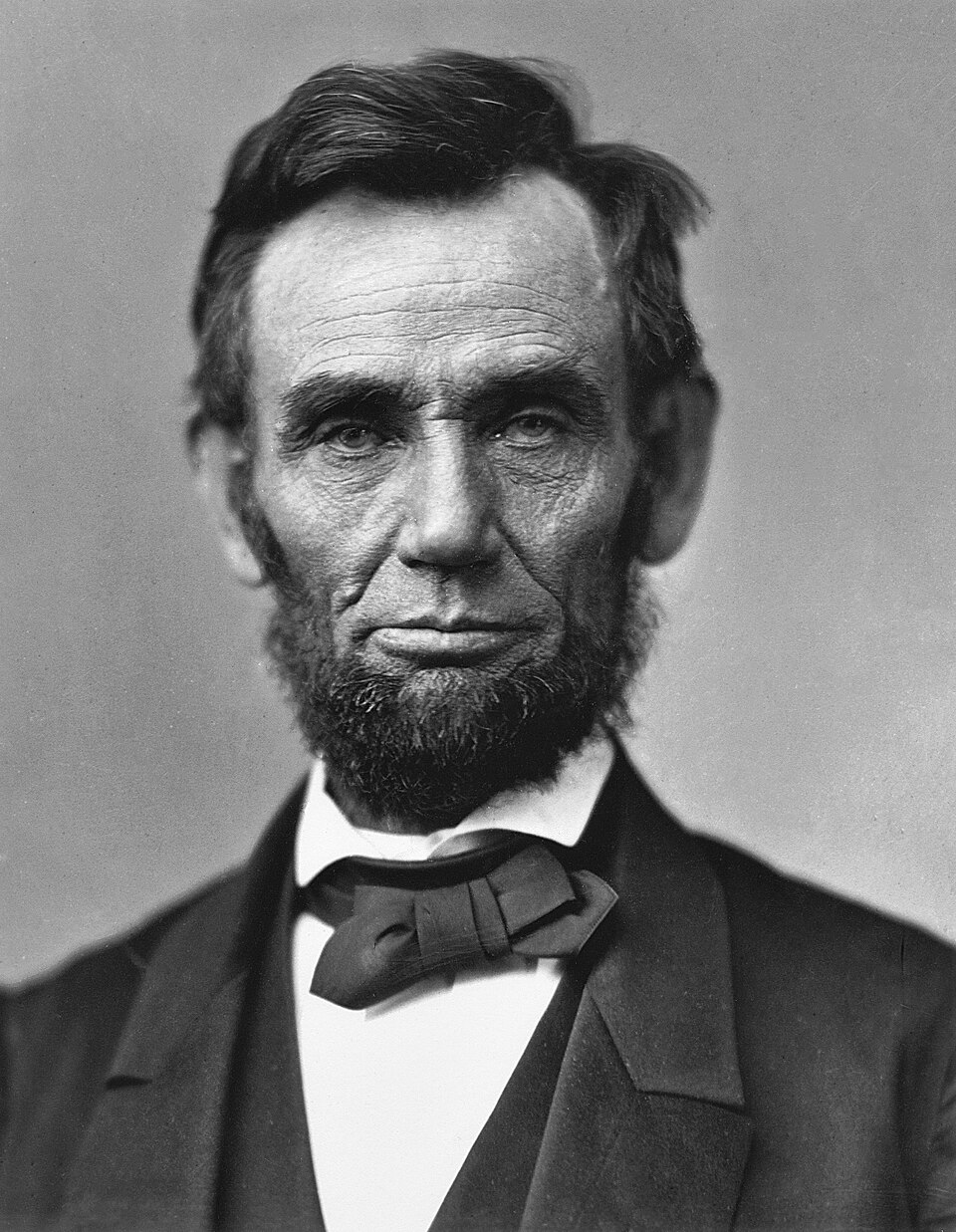
An urban legend often cited involves the supposed coincidences between Presidents Abraham Lincoln and John F. Kennedy. Both were elected in years ending in “60,” succeeded by men named Johnson, and more parallels are drawn that seem uncanny.
While many find the connections too neat to dismiss as mere chance, a closer look reveals that these coincidences often rely on cherry-picking details that fit the narrative while ignoring numerous counterexamples. This concept of apophenia, where people see patterns in random data, serves as a cautionary tale about how easily meaning can be manufactured.
The Bookcase Crack and Jung’s Prediction
Carl Jung shared a story about an argument he had with Sigmund Freud regarding parapsychology. During this discussion, he felt a hot sensation in his diaphragm just before a loud crack emanated from a nearby bookcase. Jung claimed that he predicted a second crack would follow, and, according to him, it did.
Supporters of Jung's account might argue that such a prediction reflects a deeper synchronicity in human experience. However, skeptics point out that the story comes solely from Jung and his account surfaced decades after the event occurred. Such details raise questions about reliability, suggesting that memory and interpretation play significant roles in shaping our understanding of coincidence.
Conclusion
Coincidences are fascinating and often provoke deep contemplation about the nature of existence. They can stir feelings of connection and meaning, leading individuals to search for patterns in their lives. Yet, as we've seen from historical anecdotes, there is a thin line between coincidence and the stories we create around them. While meaning-seekers are drawn to the magic of these narratives, skeptics urge caution, reminding us that context, memory, and interpretation can heavily influence how we perceive and recount such remarkable occurrences. In the end, whether we find meaning in coincidences or view them as mere chance, they remain a persistent part of the human experience.