Topics › The Pauli effect
Quantum Pings Topics
The Pauli effect
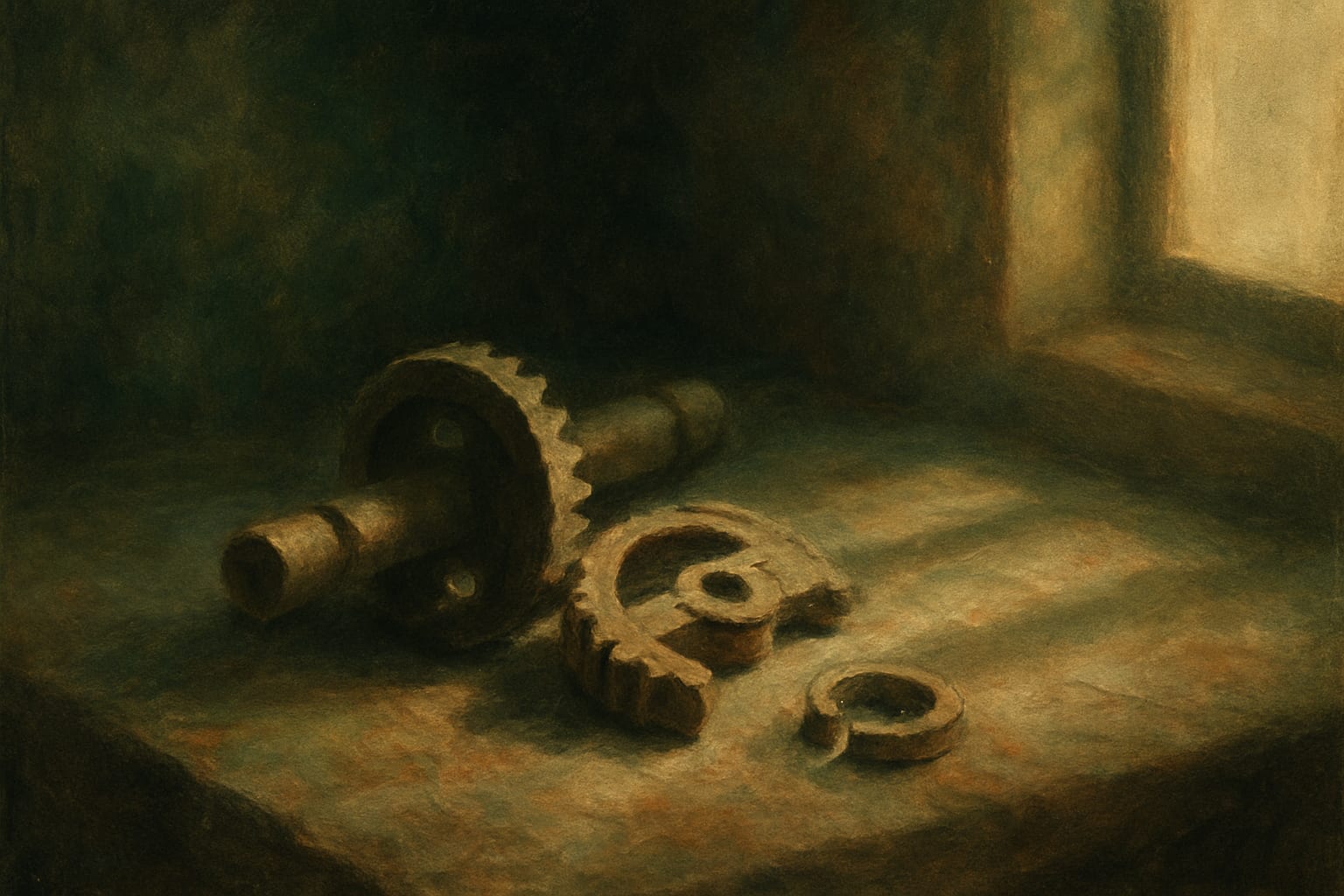
The physicist, the archetype, and the broken equipment.
Unlike typical coincidences, the Pauli effect is often described as being imbued with personal meaning.
The Pauli effect, named after the physicist Wolfgang Pauli, refers to a phenomenon where strange coincidences seem to occur in connection with individuals, particularly those who are highly sensitive or intuitive. Unlike typical coincidences, the Pauli effect is often described as being imbued with personal meaning. This intriguing idea arises from the collaboration between Pauli and the psychologist Carl Jung, who explored the intersection of psychology and physics. The discussion around the Pauli effect presents views from both meaning-seekers and skeptics, making it a fascinating subject to delve into.
The Origins of the Concept
The concept of synchronicity, which serves as the foundation for the Pauli effect, was introduced by Carl Jung in his 1952 essay "Synchronicity: An Acausal Connecting Principle" (Jung). In this work, Jung argued that meaningful coincidences can connect inner psychological events with outer occurrences, even when no causal link exists. He believed that mind and matter might share a deeper connection, allowing for these coincidences to manifest in significant ways.
An essential case study for Jung involved a patient who described dreaming about a golden scarab. Shortly afterwards, a rose chafer beetle tapped on his office window, which Jung presented as a clear example of synchronicity (Jung, "The golden scarab at the window"). This incident demonstrated how an inner image and an outer event can align unexpectedly, suggesting a meaningful connection beyond mere chance. For many, this story solidified the argument that such coincidences can reflect deeper psychological truths.
The Pauli/Jung Correspondence
Wolfgang Pauli, a Nobel Prize-winning physicist, took an interest in Jung's ideas, and their correspondence explored the relationship between the psyche and the physical world (Jung and Pauli). Over 26 years, they exchanged letters that revealed a mutual curiosity about the connections between their fields. Pauli's involvement lends a certain weight to the discussion; a respected scientist engaging with these concepts suggests that they deserve serious consideration.
However, critics argue that a correspondence doesn't serve as concrete evidence for the existence of synchronicity (Physicist). While Pauli's open-mindedness toward Jung's theories is noteworthy, it's essential to recognize that he never produced experimental evidence linking mind and matter. Instead, his engagement with Jung can be seen as a reflection of his intellectual curiosity rather than a validation of synchronicity as a proven phenomenon.
The Meaning-Seeker's Perspective
For those who resonate with the meaning-seeker view, the Pauli effect represents a significant opportunity to find deeper meaning in life's random events. The recurrence of personal stories about synchronicity often strengthens the belief that these experiences are meaningful. Many find themselves reflecting on their own moments of coincidence, drawing connections that validate their inner struggles or decisions.
An example is the personal accounts shared on platforms like Reddit, where individuals recount synchronicities that echo Jung's scarab story (r/Jung). These stories often emerge during pivotal life moments, suggesting a psychological need for confirmation or guidance. The repeated occurrence of such narratives creates a community of believers who see synchronicity as a powerful, meaningful experience.
The Skeptic's Perspective
Skeptics of the Pauli effect and synchronicity challenge the reliability of anecdotal evidence. Critics point out that coincidences are often subjective experiences, shaped by the individual's interpretation of events. The human brain is naturally pattern-seeking; we tend to notice and remember occurrences that align with our thoughts or emotions. This means that while a person may perceive a coincidence as significant, chance could explain the same events without invoking a deeper connection (Jung, "Synchronicity").
In examining anecdotes like Jung's scarab story, skeptics argue that one memorable incident does not constitute proof of a phenomenon. The beetle itself is a common insect in Europe, and there are many opportunities for such coincidences to occur. The idea of a "catalytic exteriorization phenomenon," as Jung described it during a conversation with Freud, raises further questions. Critics note that the details of this story come solely from Jung himself, told decades later, leading to concerns about accuracy and memory reconstruction (Jung, "The bookcase crack that Jung predicted").
The Broader Implications
The discussion around the Pauli effect invites us to reflect on how we interpret the events in our lives. Many therapists and psychologists, including Robert H. Hopcke, suggest that recognizing and engaging with coincidences can be beneficial (Hopcke). By treating these moments as significant, individuals may find new insights or pathways for personal growth. However, the lack of empirical evidence means that any psychological benefits derived from noticing coincidences remain subjective and not universally applicable.
Ultimately, the Pauli effect highlights a rich conversation between different fields of study, psychology and physics, while illustrating how human experience can intertwine with complex scientific ideas. Whether one leans more toward the meaning-seeker or the skeptic perspective, the dialogue surrounding synchronicity and meaningful coincidence continues to provoke thought and inquiry.
As we explore these intersections, we must remain aware of our own biases in interpreting meaning in coincidences and acknowledge the importance of critical thinking in any discussion of profound concepts like the Pauli effect.
Sources and further reading
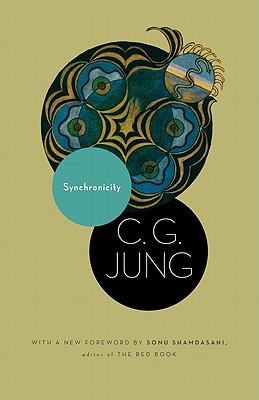 Synchronicity: An Acausal Connecting PrincipleBook
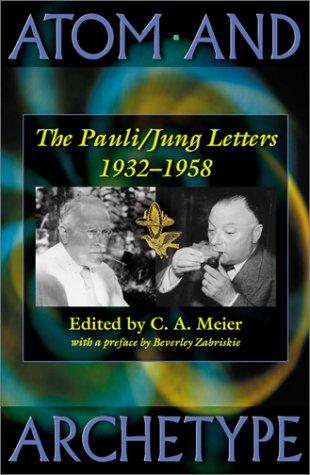 Atom and Archetype: The Pauli/Jung LettersBook
 Wolfgang PauliPerson
 The golden scarab at the windowStory
 The bookcase crack that Jung predictedStory
 "My scarab moment" — a Jungian coincidence storySocial post
 Memories, Dreams, ReflectionsBook
 There Are No AccidentsBook