Topics › Consciousness creates reality
Quantum Pings Topics
Consciousness creates reality

Thomas Campbell's case that mind, not matter, is the ground of everything.
According to Campbell, nothing exists in a concrete form until it's observed, implying that the observer plays a crucial role in rendering reality.
Introduction to Consciousness and Reality
The idea that consciousness shapes our reality has gained traction in various discussions around philosophy, science, and spirituality. Thomas Campbell, a physicist and consciousness researcher, is one of the more prominent voices advocating for a consciousness-first model of existence. In his works, particularly "My Big TOE" (Theory of Everything), he proposes that physical reality is not a solid, independent entity but instead a simulation that unfolds based on the awareness of observers.
Campbell's Perspective
In "My Big TOE," Campbell outlines a framework where consciousness is fundamental to understanding the nature of reality. He suggests that our physical world acts like a low-entropy virtual reality, computed from an underlying information system. According to Campbell, nothing exists in a concrete form until it's observed, implying that the observer plays a crucial role in rendering reality. This stance is especially appealing to those seeking meaning, as it positions human consciousness as central to existence itself (My Big TOE: A Trilogy Unifying Philosophy, Physics, and Metaphysics by Thomas Campbell).
For many meaning-seekers, Campbell's work offers a comprehensive cosmology that aligns with modern understandings of physics but avoids the often mystical or vague language found in spiritual discussions. His use of physics and information theory grounds his ideas, making them more accessible for those skeptical of traditional metaphysical claims. He frames his argument in a way that seeks to empower individuals, placing the observer at the heart of existence.
The Skeptic’s Viewpoint
Despite Campbell's eloquent arguments, skeptics raise significant concerns. "My Big TOE" is self-published and lacks peer review, leading many in the scientific community to view it with skepticism. Mainstream physics does not recognize Campbell's theories as scientifically testable or as part of the established scientific discourse. Critics argue that while the idea of consciousness shaping reality is intriguing, it often leans toward metaphysics rather than empirical science (My Big TOE by Thomas Campbell).
Skeptics highlight that Campbell's claims cannot be easily tested or falsified. They express concern that the conclusions drawn from his model may oversimplify complex questions about consciousness and reality. While Campbell presents a compelling narrative, skeptics urge that extraordinary claims require extraordinary evidence, which currently remains absent in his work.
Exploring Related Concepts
The discussion around consciousness and reality intersects with other theories, such as the Simulation Hypothesis. Charles Richard Walker critiques this hypothesis, suggesting it can lead to a nihilistic worldview, one where everything feels simulated and devoid of meaning. He advocates for an engaged approach to reality, insisting that individuals must create their own meaning regardless of whether the universe is a simulation (Functional Consciousness - Pillar 16: Quantum Nihilism and the Simulation Myth by Charles Richard Walker).
This idea resonates with Campbell's emphasis on the observer's role. If reality is indeed a simulation or a product of consciousness, then individuals might find empowerment in recognizing their agency in shaping their experiences. However, skeptics of the Simulation Hypothesis argue that it lacks empirical support and risks oversimplifying intricate philosophical concepts.
The Measurement Problem in Quantum Physics
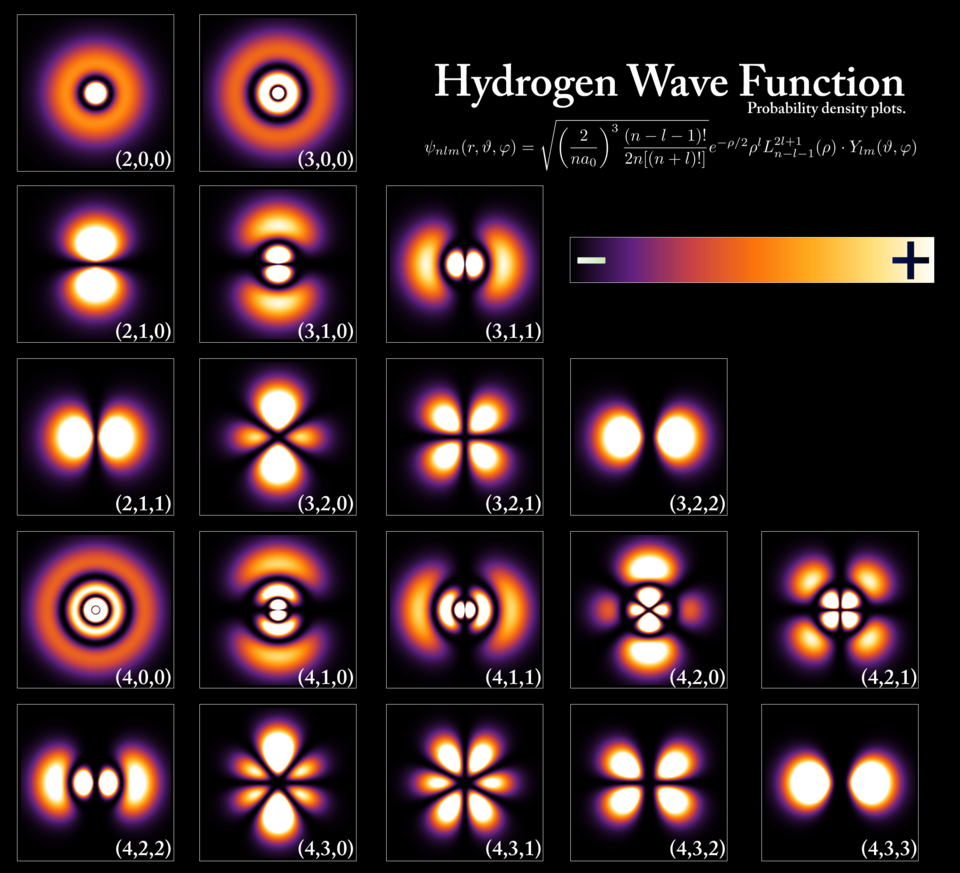
Another aspect of the conversation involves the measurement problem in quantum mechanics. This problem delves into how quantum entities exist in a state of possibility until they are measured, at which point one outcome becomes actual. Campbell's arguments resonate here, as the measurement problem leaves room for the idea that observation, potentially influenced by consciousness, plays a part in determining physical outcomes (The measurement problem).
Skeptics, however, argue that many physicists consider this issue resolved through the concept of decoherence, which suggests that measurement is a process that entangles quantum systems with their environments, eliminating the need for consciousness in the collapsing of possibilities. This divergence illustrates the complexity of the discussion and the different interpretations of scientific phenomena.
The Global Consciousness Project
The Global Consciousness Project adds another layer to this topic. It attempts to assess whether collective consciousness influences random event generators around the world, particularly during significant global events. Some proponents see these deviations as evidence of a shared consciousness impacting reality (Global Consciousness Project by Roger D. Nelson). However, skeptics point out that independent analyses have questioned the robustness of the project's findings, suggesting that the correlations may not stand up to rigorous scrutiny.
Conclusion: A Balanced Perspective
The debate over whether consciousness creates reality is rich and multifaceted. Thomas Campbell's model provides a robust framework for those seeking a consciousness-centered understanding of existence. At the same time, skeptics remind us of the importance of empirical evidence and scientific rigor. The interplay between these views continues to inspire discussions around consciousness, reality, and the nature of existence itself.
As we navigate these complex ideas, it’s essential to maintain an open mind. The relationship between consciousness and reality remains an area of exploration, one that invites both personal introspection and rigorous inquiry. Whether one aligns more closely with Campbell's perspective or the skepticism surrounding it, the conversation is valuable in expanding our understanding of the human experience.
Sources and further reading
 Thomas CampbellPerson
 My Big TOE: A Trilogy Unifying Philosophy, Physics, and MetaphysicsBook
 Functional Consciousness - Pillar 16: Quantum Nihilism and the Simulation MythStudy
 The Pauli EffectConcept
 Carl Jung's Synchronicity Explained: How the Universe Communicates With YouVideo
 Global Consciousness ProjectStudy
 The measurement problemConcept
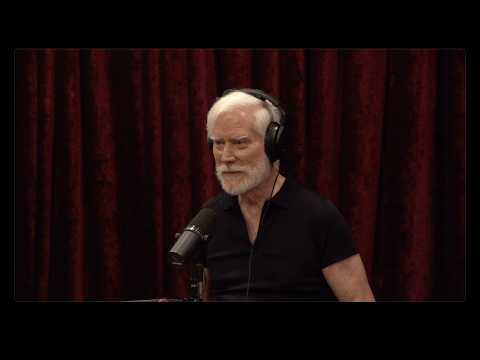 Thomas Campbell on The Joe Rogan ExperienceVideo