Topics › The double-slit experiment
Quantum Pings Topics
The double-slit experiment

What observing a particle does and does not do, in plain words.
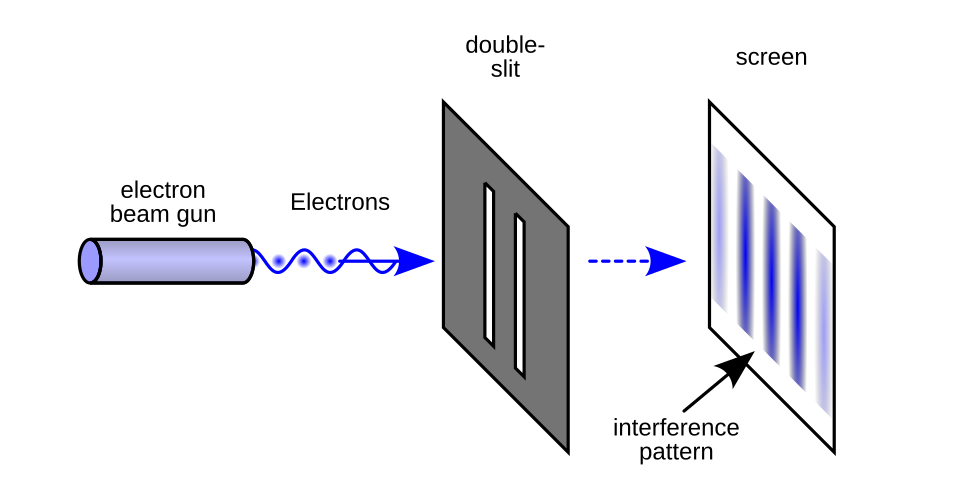
When particles pass through the slits without any measurement, they create an interference pattern on a detector screen.
The Double-Slit Experiment: A Glimpse into Quantum Reality
The double-slit experiment is one of the most famous setups in physics, and it raises questions about the nature of reality itself. In simple terms, this experiment involves firing particles, like electrons or photons, through two slits in a barrier. When particles pass through the slits without any measurement, they create an interference pattern on a detector screen. This pattern suggests that each particle behaves like a wave and goes through both slits simultaneously.
However, when a detector is added to observe which slit the particle passes through, the interference pattern disappears. Instead, the particles behave like individual entities that have gone through one slit or the other. This change caused by observation is a cornerstone of the debate surrounding the nature of observation in quantum mechanics.
The Meaning-Seeker's Perspective
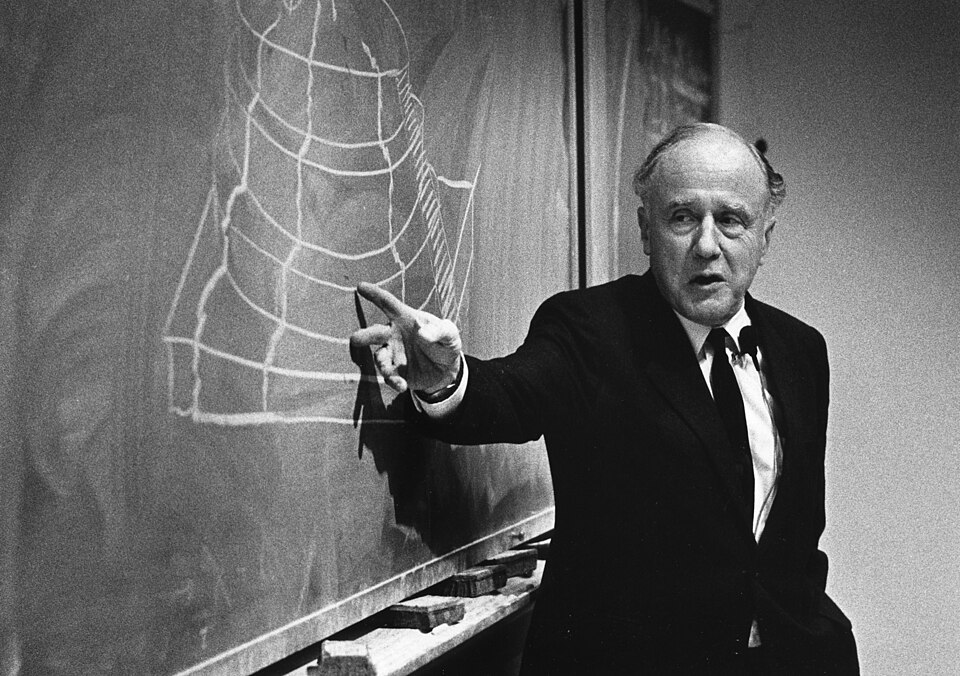
For those who lean toward a meaning-seeker perspective, the double-slit experiment fundamentally alters our understanding of reality. They argue that this experiment shows how observation isn't just a passive act; it plays an active role in shaping outcomes. Some even extend this idea to suggest that consciousness impacts reality itself, as seen in the works of physicists like John Archibald Wheeler, who famously said, "It from bit." Wheeler suggested that the physical universe is constructed from information, which implies that observers have a hand in creating reality (John Archibald Wheeler by Physicist).
The Skeptic's Viewpoint
On the other side, skeptics argue that the double-slit experiment doesn't prove that human observation changes reality. They point out that the term "observer" refers to a measuring device rather than a conscious being. When a measurement is made, the quantum system becomes entangled with the measuring device, leading to what is known as decoherence. This means that the disappearance of the interference pattern arises from the interaction between the particle and the measurement apparatus, not from the act of human observation itself (The measurement problem by Physics).
The Measurement Problem
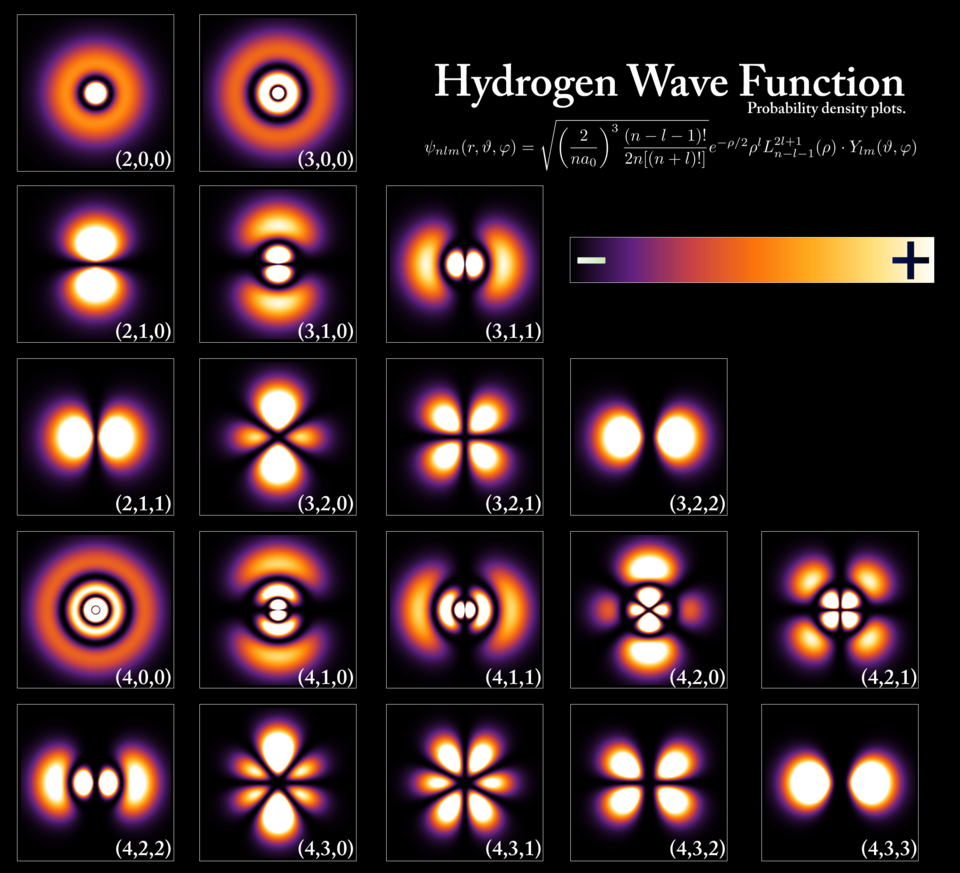
The measurement problem in quantum mechanics adds another layer to this discussion. It essentially describes the phenomenon where quantum systems exist as clouds of potential outcomes until a measurement is made, at which point a single outcome becomes actual. The specifics of what counts as a measurement, and why certain outcomes are realized while others are not, remain unresolved in the field of quantum physics.
For meaning-seekers, this ambiguity leaves room for the idea that consciousness or observation might play a crucial role in determining reality. However, skeptics argue that decoherence explains the apparent collapse of possibilities without the need for conscious observation (The measurement problem by Physics).
Wheeler's Participatory Universe
John Archibald Wheeler's contributions to this discourse also provide fertile ground for interpretation. His notion of a "participatory universe" suggests that observers play a critical part in shaping reality. While meaning-seekers find profound significance in this idea, skeptics maintain that it's merely a philosophical interpretation that doesn't necessarily change any predictions or practical outcomes in physics (John Archibald Wheeler by Physicist).
The Role of Consciousness
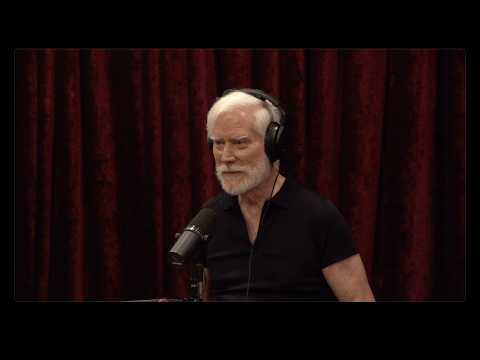
In recent years, Thomas Campbell has emerged as a prominent voice in the discussion around consciousness and reality. In his trilogy, My Big TOE (Theory of Everything), he argues that consciousness is fundamental and that the physical world we perceive is a kind of low-entropy virtual reality created by a larger consciousness system (My Big TOE by Thomas Campbell). For many meaning-seekers, Campbell's work offers a comprehensive framework in which the observer holds a vital role in defining reality, aligning with the idea that meaning requires an observer (Thomas Campbell on The Joe Rogan Experience).
Conversely, skeptics view Campbell's work as self-published and lacking the rigorous peer review process that characterizes established scientific literature. They argue that while his ideas are intriguing, they do not meet the standards of mainstream scientific inquiry and often flirt with metaphysics rather than physics.
Synchronicity and Objective Events
The discussion around the double-slit experiment also intersects with the concept of synchronicity, which deals with meaningful coincidences. Some frameworks, like Morgan Wolfgang Lake's "Pragmadromia," aim to provide a more objective understanding of such occurrences by focusing on quantifiable events rather than subjective interpretations (Pragmadromia: Objective Synchronicity by Morgan Wolfgang lake). Meaning-seekers might find validation in this approach, as it seeks to ground experiences of synchronicity in observable phenomena.
Skeptics, on the other hand, contend that even this method may overlook the intricacies of human perception and the subjective nature of interpreting events. They argue that while quantifiable data can be helpful, it may not capture the full essence of human experience (Functional Consciousness - Pillar 16: Quantum Nihilism and the Simulation Myth by Charles Richard Walker).
Conclusion
The double-slit experiment serves as a fascinating lens through which we can explore the complexities of observation, reality, and consciousness. It evokes deep questions about what it means to observe and participate in the universe, drawing both meaning-seekers and skeptics into a rich dialogue. As this debate continues, the intersection of quantum mechanics and consciousness remains a frontier filled with potential insights and challenges, inviting us to grapple with what we truly understand about the nature of reality.
Sources and further reading
 The double-slit experimentConcept
 The measurement problemConcept
 John Archibald WheelerPerson
 My Big TOE: A Trilogy Unifying Philosophy, Physics, and MetaphysicsBook
 Thomas Campbell on The Joe Rogan ExperienceVideo
 Thomas CampbellPerson
 Pragmadromia: Objective SynchronicityStudy
 Functional Consciousness - Pillar 16: Quantum Nihilism and the Simulation MythStudy