Topics › Dreams and synchronicity
Quantum Pings Topics
Dreams and synchronicity
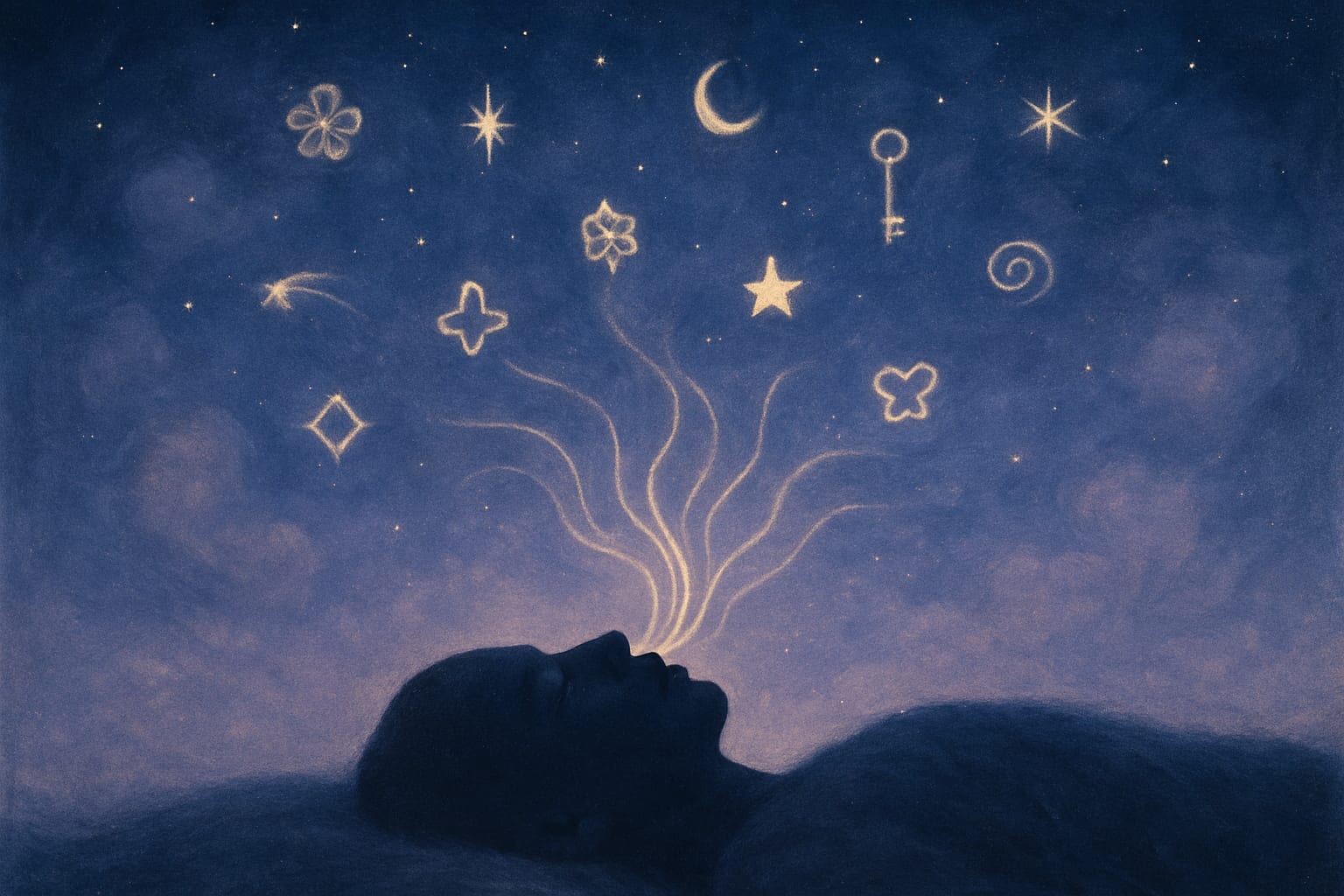
Do dreams prime us to notice the matching events the next day?
Dreams and Synchronicity Dreams have long fascinated humans, serving as a window into our subconscious.
Dreams and Synchronicity
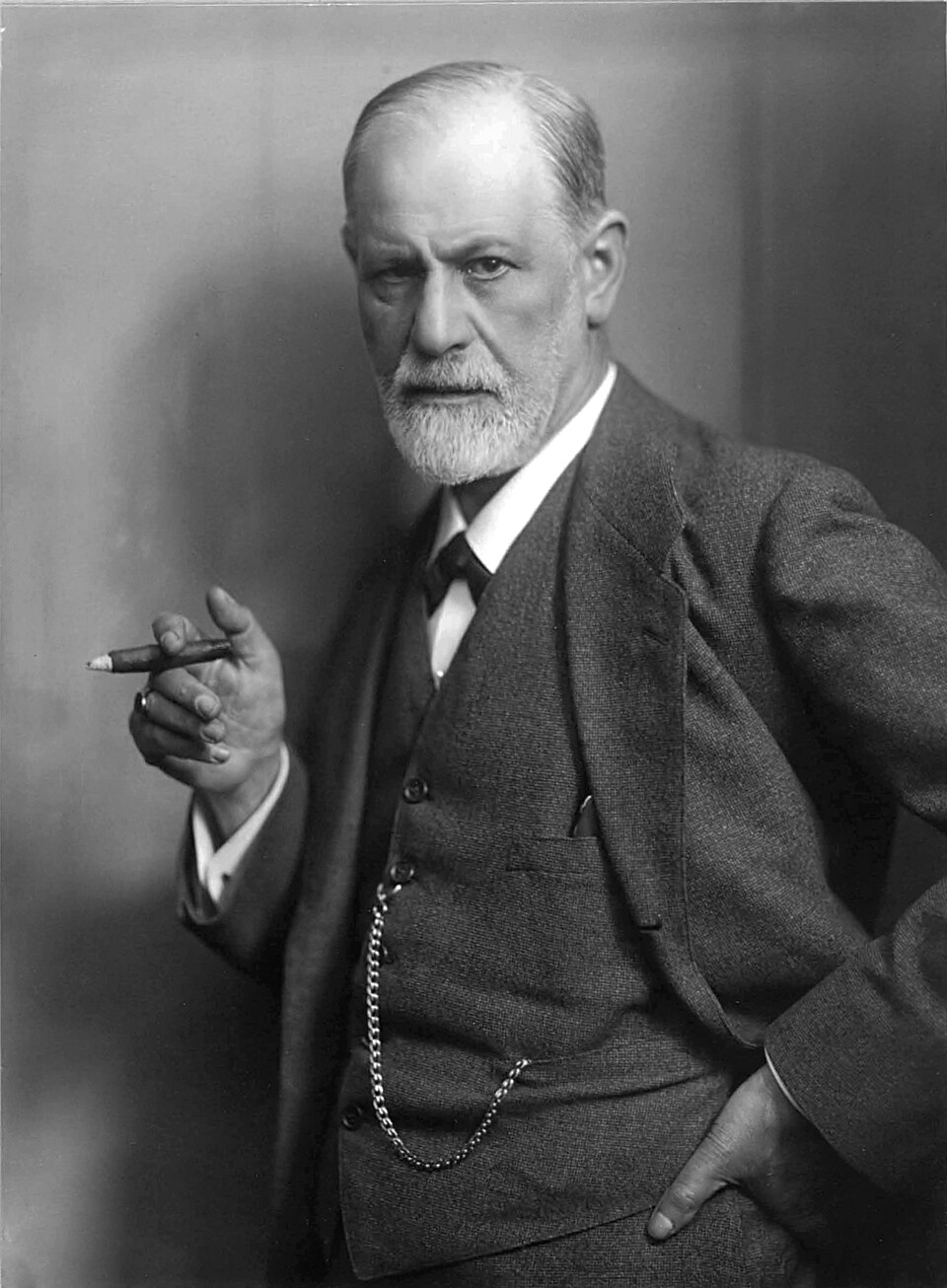
Dreams have long fascinated humans, serving as a window into our subconscious. Many people believe that dreams can connect to waking life events, often in surprising ways. This leads to the idea of synchronicity, a term coined by psychologist Carl Jung. Jung described synchronicity as meaningful coincidences where two events align in time without any clear causal link. The question then arises: do our dreams prepare us to notice these significant events the next day?
The Role of Dreams in Synchronicity
For those who subscribe to the meaning-seeker perspective, dreams can serve as a kind of guide. They may act as a lens through which we view our waking lives, heightening our awareness of coincidental events that resonate with our inner thoughts or feelings. In this view, dreams prime us to notice specific circumstances we might otherwise overlook. Jung himself illustrated this concept with a well-known case involving a dream about a golden scarab. Shortly after the dream, a beetle resembling a scarab tapped at the window. For many, this incident exemplifies how an inner image can synchronize with an external event in a perfectly timed manner.
The framework proposed by Morgan Wolfgang Lake in "Pragmadromia: Objective Synchronicity" adds another layer to this idea. Lake argues for an approach that looks at observable, quantifiable events rather than relying solely on subjective interpretations. This could lend some credibility to the notion that dreams may not only be random thoughts but can sometimes align with meaningful outer occurrences (Wolfgang Lake).
Perception and Coincidence
However, skeptics challenge the validity of these interpretations. They argue that our brains are wired to recognize patterns, a phenomenon known as apophenia. In a world full of randomness, it’s not surprising that coincidences occur. Given enough events, some will naturally align by chance. From this perspective, any connection we make between our dreams and subsequent events may simply be a product of selective attention. We remember the significant coincidences while disregarding those that don’t fit the narrative.
Moreover, some skeptics point to the unpredictability of dreams themselves. They suggest that while a dream might feel significant, it doesn't necessarily prepare us to notice a related event the next day. Instead, it could be that we are subconsciously searching for meaning after the fact, retroactively fitting experiences into a cohesive story. The idea that a dream can influence our perceptions during the day is intriguing but lacks empirical support.
The Nature of Meaningful Coincidences
Alejandro Toledo Martínez, in "Access or Apophenia," explores the blurred lines between meaningful coincidences and random chance. He suggests that while it feels as though coincidences are significant, our interpretations can often be colored by personal beliefs and desires (Toledo Martínez). For instance, if someone dreams of a particular person, they may be more likely to notice interactions with that person the following day. This could lead them to conclude that the dream had some predictive power, even if the connection is tenuous.
Though meaningful coincidences resonate with many on a personal level, the skeptic's view emphasizes the importance of empirical evidence. Without a systematic methodology to support these interpretations, skeptics argue that experiences of synchronicity remain speculative at best.
A Broader Perspective
Jean Shinoda Bolen expands on Jung's ideas in "The Tao of Psychology: Synchronicity and the Self," linking synchronicity to a sense of order in the universe. She suggests that moments of synchronicity can indicate that we are in tune with a larger pattern in life (Bolen). For believers, this can feel empowering, as if they are part of something greater. Yet, critics might argue that such connections are more poetic than scientific, lacking the concrete evidence required for validation.
The notion of backward cognition, as discussed by Aziel Eliab, proposes that we might recognize outcomes before retracing the steps leading to them. This idea suggests a different approach to understanding intuition and insight, potentially explaining why some people feel they "knew" something was going to happen before it did. Yet, like other theories surrounding synchronicity, it raises questions about its empirical basis and whether it can truly offer valuable insights into human cognition (Eliab).
Conclusion
The interplay between dreams and synchronicity invites us to consider how our subconscious might shape our waking experiences. For meaning-seekers, dreams can serve as a nudge to notice significant coincidences in our lives, highlighting connections that might otherwise go unnoticed. Conversely, skeptics urge caution, reminding us that our brains are adept at finding patterns, often leading us to see connections where none exist.
Both perspectives offer valuable food for thought. As we navigate through our daily lives and reflect on our dreams, the choice of how to interpret these experiences ultimately lies with us. Whether we see them as meaningful coincidences or mere chance, they continue to captivate our imagination and challenge our understanding of reality.
Sources and further reading
 Pragmadromia: Objective SynchronicityStudy
 What is synchronicity?Concept
 The Tao of Psychology: Synchronicity and the SelfBook
 Access or ApopheniaStudy
 Functional Consciousness - Pillar 16: Quantum Nihilism and the Simulation MythStudy
 The golden scarab at the windowStory
 The bookcase crack that Jung predictedStory
 Backward Cognition: A Working Synthesis of Reverse-Pattern Intuition and Interlocking Constructs in Cognitive ScienceStudy